My Story
Alzheimer’s is part of my story. With treatment, I got my life back.
Before
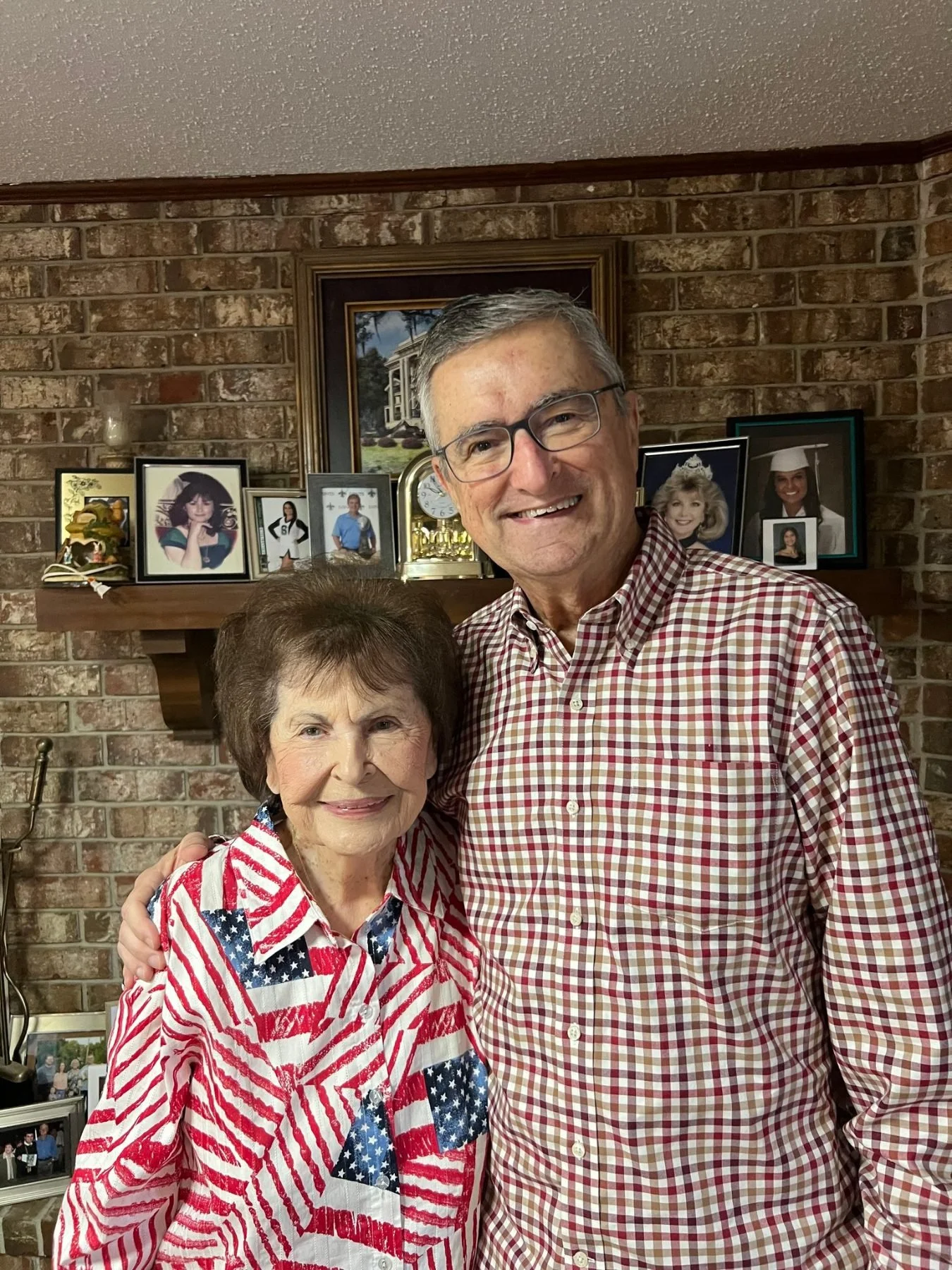
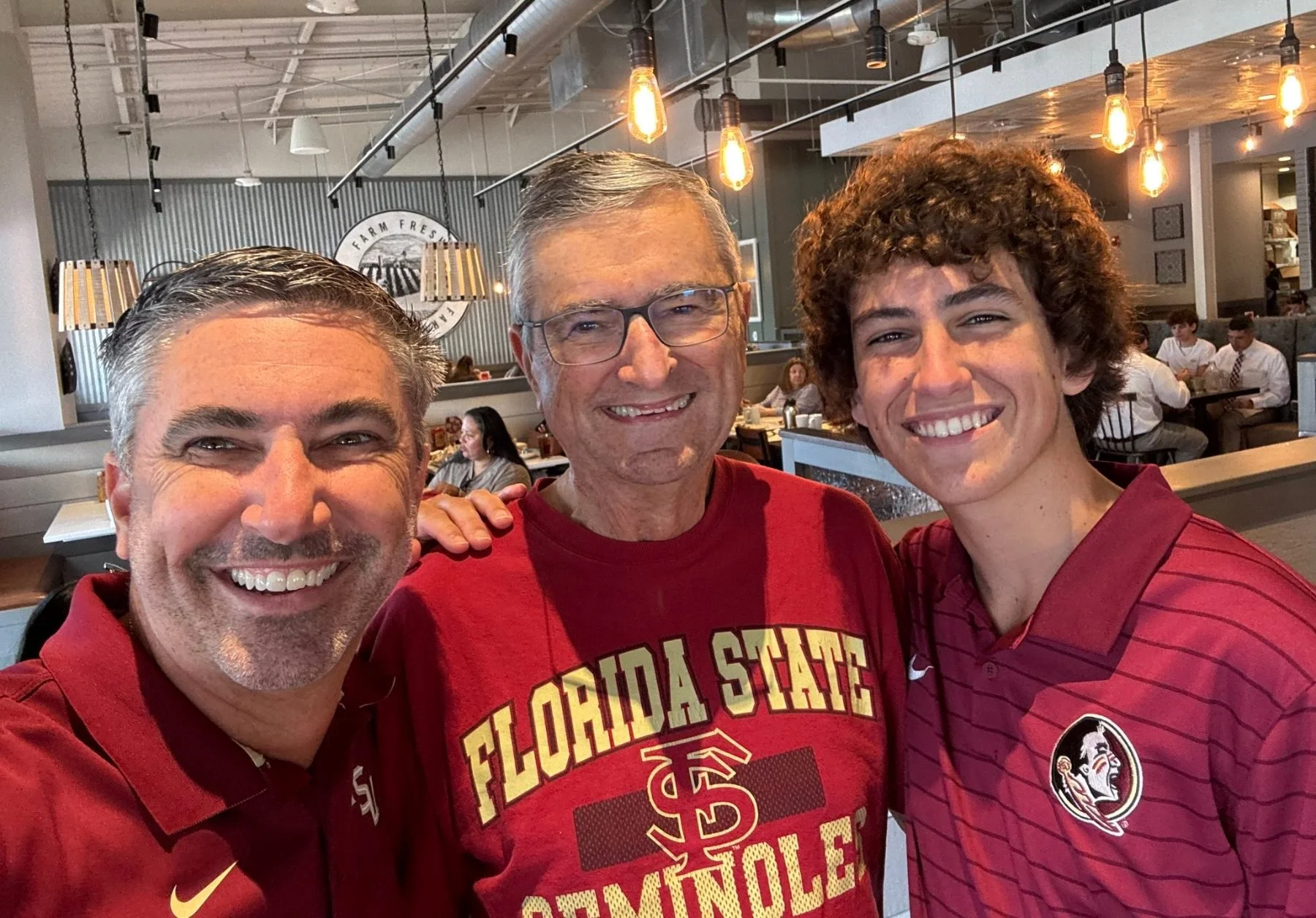
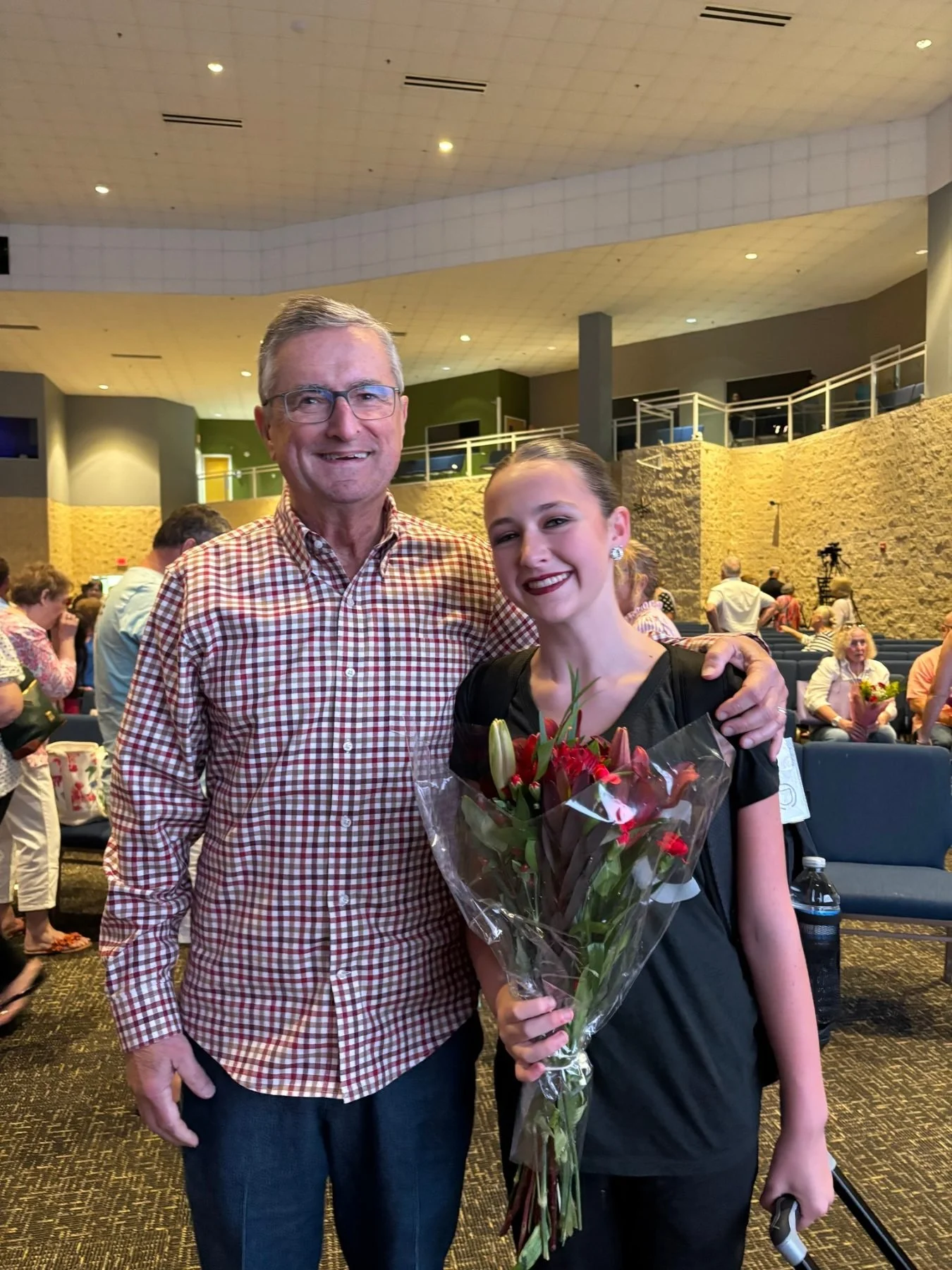
I grew up in New Orleans, [ add his work and career, family, what he’s known for among the people who love him. 2–3 short paragraphs.]
The first signs
It started with little things. My wife would tell me I was forgetting things, and I’d do things like put my phone in the freezer. I figured something was going on, but I didn’t think that even if it was Alzheimer’s, it could be treated. In 2023 I went to my primary doctor. He didn’t think I had it, but he sent me to a neurologist, who diagnosed me with mild cognitive impairment, one step before Alzheimer’s disease. I was 78, and a lot of people chalked it up to normal memory loss with age. But after that, I felt like it was being dropped. Nobody was really treating it the way I wanted, so I spent weeks on the internet trying to figure out where to go.
The diagnosis
That’s how I found the USF Health Byrd Alzheimer’s Institute here in Tampa, the “Byrd Center.” I never even knew we had an Alzheimer’s center. I was lucky enough to get a good doctor there, who said, let’s do more testing. After a bunch of tests, I was diagnosed with Alzheimer’s disease in late summer 2024. It came as a shock to me, as it would to anybody. Then I had to decide what to do next.
My treatment
I chose to start an FDA-approved infusion treatment called Kisunla. It took about three months to get going while the approvals and insurance were worked out, and in November 2024 I had my first infusion. It’s one day a month and about half an hour in the office. It’s no big deal. Seven or eight months in, my tests were a little better. Then in July 2026, my PET scan showed they couldn’t find the amyloid plaque at all. Even my doctors were amazed. I was so early that I was almost like a guinea pig. My doctors told me I could come off the medicine, and I double-checked that with Dr. Steen at Axiom Brain Health. I finished my 20th and final infusion in September 2026. My treatment was chosen with my doctors for my own situation. For most people these medicines are meant to slow the disease, and results are different for every person, so please talk with your own doctor about what’s right for you.
Getting my life back
It’s been much more successful than I ever thought it would be. I look at myself as one of the luckiest people in the world, because I got it when I got it, while treatment could still help. If you asked me today whether I have Alzheimer’s, I honestly don’t know if I’d say yes or no. That’s a glorious thing. [Add a little about a normal day now: what Joe loves, what he’s doing again, the people around him.]
Why I’m sharing this
I just feel like I’ve got a duty to do it. When I found out I had Alzheimer’s, I told three people I know well back in my hometown. All three went to get tested, and all three had Alzheimer’s. These were functional people, business people, and now they’re getting treated too. There’s a window of time when these medicines can help, and if you wait too long, you may not qualify. The clock is ticking. So if you think something is wrong, talk to your primary doctor, ask for a neurologist, or go to a memory center. Don’t be afraid of the test. That’s why I joined the board of the local Alzheimer’s Association chapter, and why I’ll be the keynote speaker at the chapter’s gala this spring. My mission isn’t just to get people tested. It’s to help them see which treatments are available for them, because new ones are being rolled out all the time. I’m not a doctor. I’m sharing what I’ve learned so you can have a better conversation with yours.
A word from my family
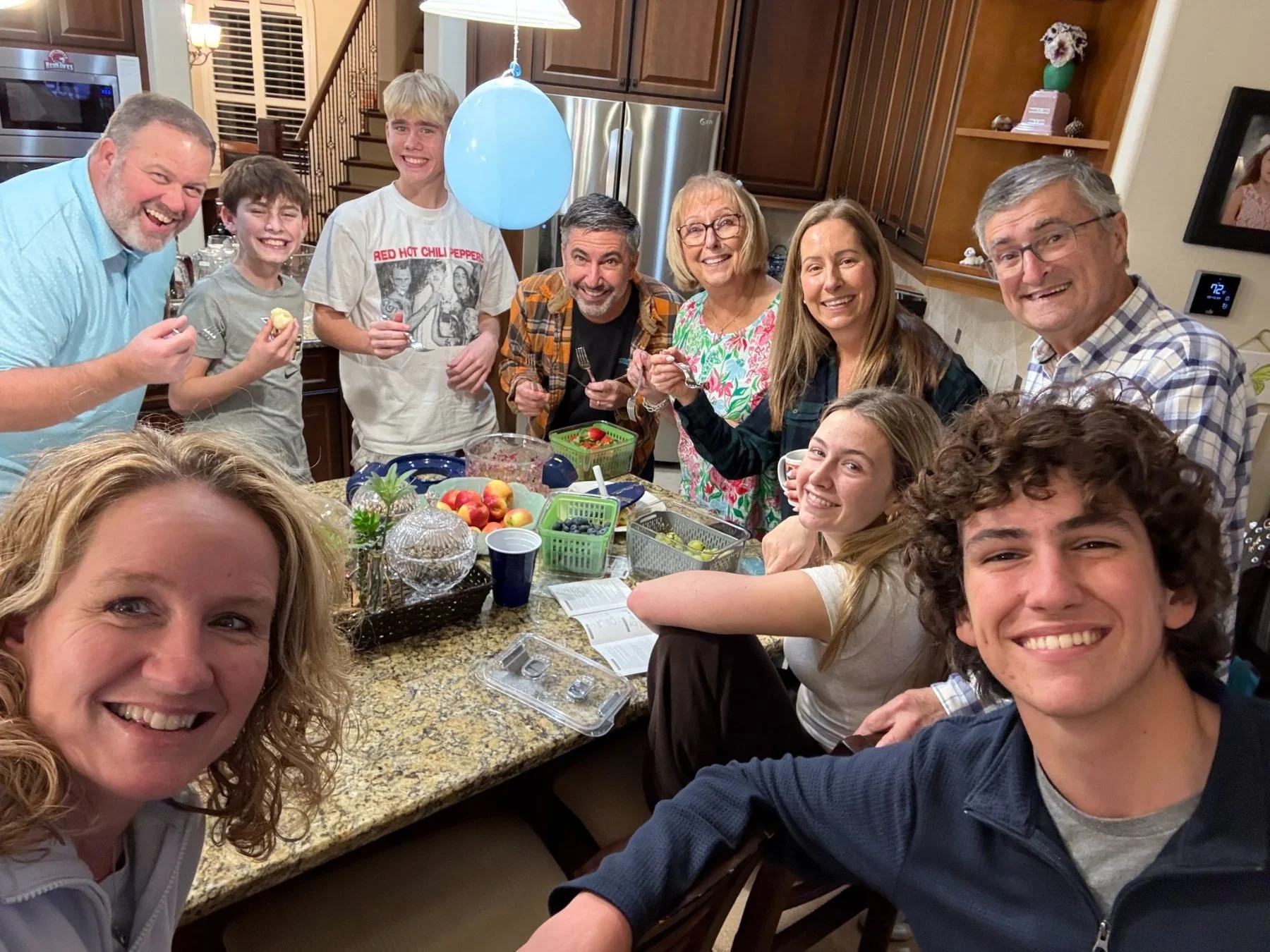
[A short note from Joe’s wife, children, or family about walking alongside him.]